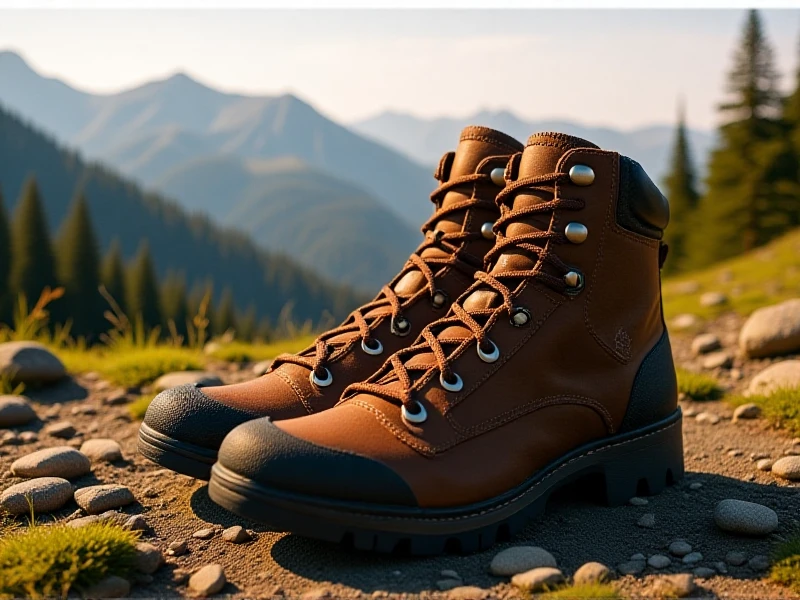
Ultimate Guide to Choosing the Right Hiking Boots
SEO-Optimized Article: Hiking Boots
Tired of blisters or sore feet ruining your outdoor adventures? The secret to conquering trails lies in one crucial investment: the perfect pair of hiking boots. Whether you're tackling rocky peaks or breezy nature walks, the right footwear transforms your experience from endurance into exhilaration.
Why Your Hike Demands the Right Boots
Hiking boots are far more than rugged sneakers. They provide essential ankle support on uneven terrain, protecting you from twists and sprains. Their durable, lugged soles grip loose dirt, wet rocks, and muddy paths, drastically reducing slips. Unlike regular shoes, quality hiking boots feature weather-resistant materials like Gore-Tex® membranes or full-grain leather, keeping your feet dry during sudden downpours or creek crossings. Breathability features also prevent overheating during strenuous climbs. Investing in proper hiking boots isn't just about comfort; it’s fundamental safety gear for trail exploration.
Key Features to Prioritize
-
Boot Height:
- Low-Cut (Hiking Shoes): Lightweight and flexible, ideal for well-maintained trails, day hikes, or fastpacking. Less ankle support.
- Mid-Cut: The most popular choice. Offers excellent ankle support and stability on varied terrain, suitable for day hikes and multi-day trips with moderate loads.
- High-Cut (Backpacking Boots): Maximum support for heavy backpacks (40lbs ), technical trails, or rugged off-trail exploration. Best for long-distance thru-hikers.
-
Waterproofing:
Essential if hiking in wet climates, snow, or crossing streams. Look for membranes like Gore-Tex® or eVent®. Remember, waterproof boots need more time to dry if submerged. If hiking exclusively in dry heat, non-waterproof boots offer superior breathability. -
Support & Stability:
Midsole stiffness (often using materials like EVA or polyurethane) prevents foot fatigue on rocky terrain. A robust shank (nylon or steel) provides torsional rigidity. Consider boots with solid heel counters and structured toe caps for added protection against roots and rocks. -
Traction:
Vibram® soles are a gold standard for grip and durability, but other proprietary lug patterns perform excellently. Look for deep, multi-directional lugs. The rubber compound matters too – softer rubber grips better but wears faster. -
Comfort & Fit:
Ultimately the MOST critical factor. Hiking boots MUST fit perfectly from day one. Ensure ample toe room (wiggle space without heel lift), proper arch support, and no pressure points. Wear the hiking socks you plan to use during fitting. Consider potential foot swelling during long days.
Matching Boots to Your Trail
- Light Trails/Day Hikes: Low-cut hiking shoes or flexible mid-cut boots. Prioritize comfort and weight.
- Moderate/Technical Terrain: Sturdy mid-cut boots are ideal. Focus on ankle support and grip.
- Heavy Loads/OFF-Trail/Extended Treks: Supportive high-cut backpacking boots. Durability and stability are key.
- Winter/Alpine: Insulated, waterproof high-cut mountaineering boots with crampon compatibility.
Finding Your Perfect Pair
Don't rely solely on online reviews. Visit a reputable outdoor store in the afternoon (feet swell!), try multiple brands (Salomon, Merrell, Keen, Lowa, Oboz, Vasque, La Sportiva, etc.), and walk extensively on an incline ramp. Consult knowledgeable staff about your specific hiking goals.
Investing time in choosing the right hiking boots unlocks the true freedom and joy of the outdoors. With your feet protected, supported, and comfortable, every trail becomes a journey worth taking. Lace up and explore!