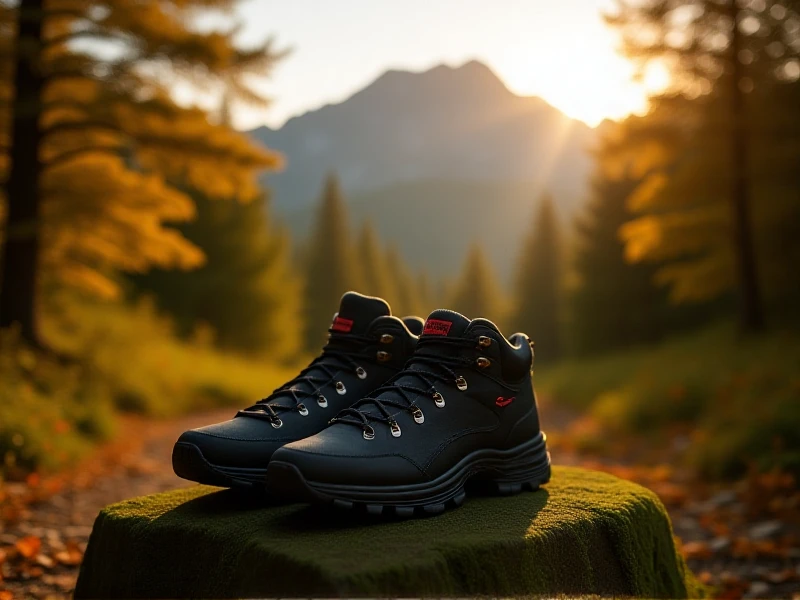
Find Your Perfect Hiking Boots: Conquer Trails in Comfort & Confidence
Choosing the right pair of hiking boots is fundamental for any outdoor adventure. They're your foundation on rugged paths, protecting your feet and ankles while providing crucial stability. Whether tackling a gentle nature trail or a challenging mountain summit, the best hiking boots transform your experience from an endurance test into pure exploration joy.
Understanding your primary terrain is the first step. Hiking boots generally fall into three categories:
- Lightweight Hikers: Ideal for well-maintained trails and day hikes. They offer flexibility similar to trail runners but with more support and protection underfoot. Perfect for those seeking agility on less technical terrain.
- Mid-Weight Hikers: The versatile workhorses. Offering excellent ankle support, stiff midsoles for rocky paths, and durable outsoles with aggressive tread (often Vibram®), these boots handle moderate trails, light backpacking, and various weather conditions superbly. Most day hikers and weekend backpackers find these the ideal balance.
- Mountaineering Boots: Built for serious off-trail terrain, heavy backpacking loads, and harsh alpine conditions. They feature maximum ankle support, rigid soles for stability on scree and rock, and are often waterproof to the cuff. Reserve these for demanding, multi-day expeditions.
Essential Features for Top-Performing Hiking Boots:
- Durable Upper: Full-grain leather offers long-lasting protection and water resistance (though heavier). Split-grain leather or nylon lowers weight but may need extra waterproofing. Quality synthetics provide a great balance of weight, breathability, and durability.
- Waterproof Membranes: Technologies like GORE-TEX® or proprietary brands (e.g., eVent®) keep feet dry from puddles, rain, and morning dew without sacrificing breathability significantly. Remember: waterproof boots take longer to dry internally if submerged.
- Aggressive, Grippy Outsole: Look for deep, multi-directional lugs made of durable rubber like Vibram®. This is critical for traction on loose dirt, mud, wet rocks, and slippery roots.
- Supportive Midsole: Provides cushioning against rocky terrain and reduces fatigue. The stiffness needed depends on boot class (more rigid for rougher trails/heavier loads).
- Secure Fit & Ankle Support: Boots should grip your heel snugly without slippage and offer appropriate ankle support relative to the terrain. High-cut boots excel here. Always ensure enough toe room (about a thumbnail's width) to avoid downhill bruising.
Trying Them On & Breaking Them In:
Never buy hiking boots unseen! Always try them on in the afternoon (feet swell), with intended hiking socks. Walk aggressively on an incline/decline in-store if possible. Wear them extensively before hitting the trail – walk around your home, neighborhood, or park. This molds the materials to your feet, preventing painful blisters on hike day.
Investing in the right hiking boots isn't just about gear; it's investing in unforgettable adventures with happy, protected feet. Prioritize fit, terrain suitability, and build quality. Well-chosen boots empower you to explore farther, safer, and with greater enjoyment. Lace up and get ready to hit the trail!