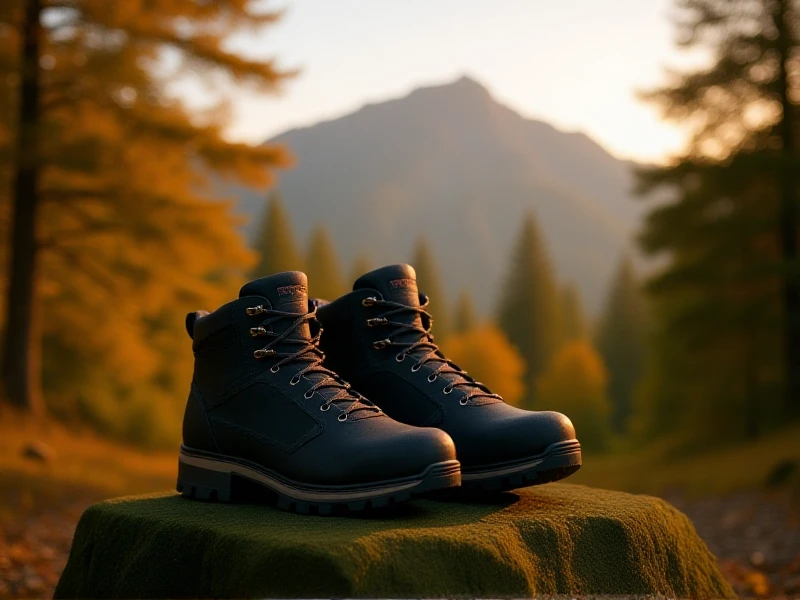
Choosing the Right Hiking Boots: Your Ultimate Trail Companion
SEO Article on Hiking Boots
When planning your next outdoor adventure, investing in a reliable pair of hiking boots can make all the difference. These essential pieces of footwear provide the stability and comfort needed for tackling rugged terrain, ensuring you enjoy your trek without blisters or sore feet. Whether you're a seasoned hiker or just starting out, selecting the best hiking boots is crucial for safety and performance. In this guide, we'll cover key factors like material, fit, and features to help you find the perfect pair for your needs.
Hiking boots come in various types, each tailored to different trail conditions. Lightweight options are ideal for day hikes on well-maintained paths, offering agility without sacrificing support. Mid-weight boots strike a balance for multi-day trips, featuring durable materials like leather or synthetic blends that provide extra ankle protection. For off-trail or heavy-load excursions, sturdy backpacking boots with rigid soles deliver superior stability and weather resistance. Opt for waterproof hiking boots in wet climates; advanced membranes like Gore-Tex keep feet dry while allowing breathability, preventing sweat buildup and discomfort even during strenuous climbs.
Comfort and fit are paramount when choosing hiking boots. Always try on boots later in the day when feet naturally swell, simulating trail conditions. Aim for a snug but not tight fit, with about a thumb's width of space at the toes to avoid toe-banging on descents. Use the included insoles or consider custom orthotics if you require more arch support. Additionally, check the lacing system—many hiking boots feature adjustable designs that cater to wide feet or high arches. Don't rush the break-in period; wear your new hiking boots around town for short walks to mold them to your feet before hitting the hills.
Beyond fit, prioritize features like aggressive tread patterns and shock-absorbing midsoles for added grip on slippery rocks or uneven ground. Quality outsoles made of rubber compounds like Vibram enhance traction in muddy or rocky conditions, reducing slip risks. Weight also plays a role—lighter hiking boots save energy over long distances but offer less ankle support. For eco-conscious adventurers, sustainable brands now offer boots with recycled materials that don't compromise on durability. Remember to maintain your gear by cleaning boots after each hike and storing them in a cool, dry place; this extends their lifespan and ensures top-notch performance.
In summary, investing in a great pair of hiking boots elevates your outdoor experiences. With proper selection and care, these boots become trusted companions on every trail. Start your journey today—find your ideal hiking boots and conquer new heights with confidence! Happy trails!
— Word Count: 425 —