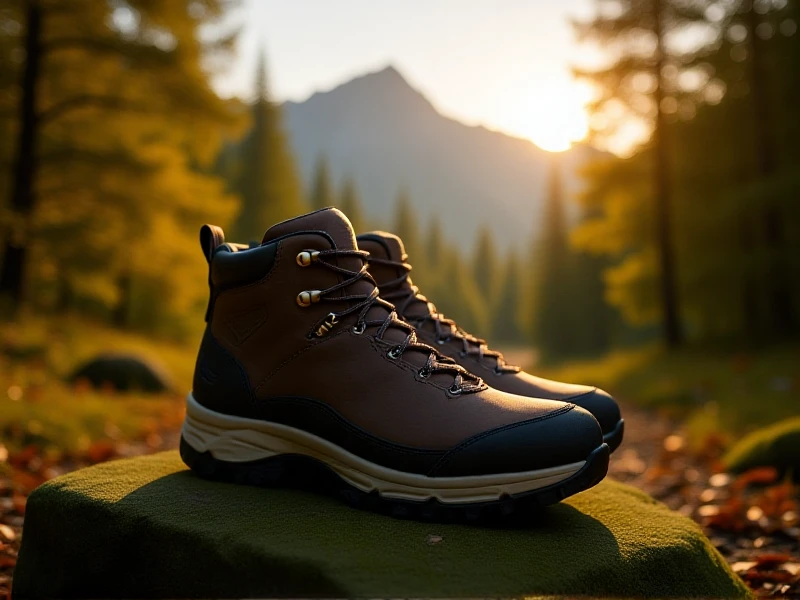
Find Your Perfect Fit: The Ultimate Guide to Hiking Boots for Every Trail
Your feet are your most valuable tool on the trail. Choosing the right hiking boot makes the difference between a day filled with stunning vistas and comfortable miles, and one plagued by blisters and foot fatigue. Investing in quality hiking boots designed specifically for your adventures is non-negotiable for safety, comfort, and enjoyment.
Why Proper Hiking Boots Matter
Forget tennis shoes or fashion boots. True hiking boots offer critical features:
- Ankle Support: Essential for rocky, uneven terrain, preventing twists and sprains. Taller boots provide more stability.
- Traction Outsoles: Aggressive lugs grip loose dirt, mud, rocks, and slick surfaces, keeping you upright. Vibram® rubber is often a hallmark of quality.
- Protection: Rugged toe caps shield against stubs, stout midsoles absorb shock, and durable uppers fend off abrasions from roots and rocks.
- Waterproofing: Breathable membranes like GORE-TEX® keep feet dry from rain, wet grass, and creek crossings while allowing sweat vapor to escape.
- Stability & Support: Torsional rigidity helps feet stay stable with heavy loads, reducing fatigue.
Selecting Your Trail Partner
-
Know Your Terrain & Load:
- Day Hikes (Lightweight Trail Shoes/Boots): Ideal for well-maintained trails with lighter packs. Offer great flexibility and lower weight. Often cut below the ankle.
- Mixed Terrain/Daypacks (Mid-Weight Boots): The most versatile choice. Provide solid ankle support, moderate stiffness, and reliable waterproofing for most weekend adventures.
- Rugged Terrain/Heavy Packs (Backpacking Boots): Maximum support, durability, and stiffness for carrying substantial weight over challenging, multi-day hikes. Tall ankle cuffs are common.
-
Fit is Paramount: Never gamble on sizing. Hiking boots should fit snugly (not tight!) with your hiking socks on, allowing slight heel lift but zero sliding. Ensure ample toe room (width and length) for downhill sections. Shop in the afternoon when feet swell naturally.
-
Break Them In Thoroughly: Never wear brand-new boots on a long hike! Wear them for increasingly longer walks around town first. Layer quality merino wool or synthetic blend hiking socks to prevent friction hotspots.
Caring for Your Hiking Boots
Protect your investment for miles to come:
- Clean: Remove dirt and mud after every hike with soft brush and lukewarm water. Never machine wash!
- Dry Naturally: Avoid direct heat. Stuff with newspaper to absorb interior moisture. Air dry away from radiators/sun.
- Condition: Periodically treat leather uppers with appropriate conditioners to maintain suppleness and water resistance (check manufacturer's recommendations).
- Re-tread: When the lugs wear down significantly, resoling by a professional cobbler can often extend your boot's life dramatically.
Durable, supportive hiking boots transform your connection to the outdoors. They handle the punishment so your legs can carry you further and your eyes can focus solely on the breathtaking surroundings, not the pain in your soles. Take the time to find the perfect pair – your feet (and your adventures) will thank you. Explore the range built for your next journey!