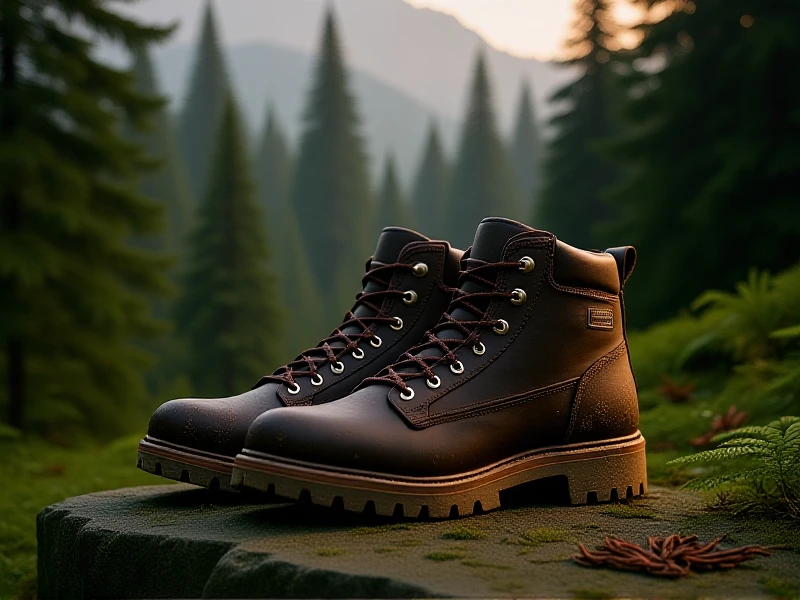
Your Perfect Trail Partner: Finding the Best Hiking Boots
Hitting the trail? Your feet are your most crucial piece of equipment. Choosing the best hiking boots can make the difference between an unforgettable adventure and a painful slog. With so many options, knowing what features matter is key to finding your perfect fit for miles of comfortable exploration.
Why Boots Matter: Unlike regular shoes, hiking boots provide essential support for uneven terrain. They protect your ankles from twists on rocky paths, shield your feet from roots and debris, and offer superior traction to prevent slips, especially on wet or loose surfaces. Hiking boots are literally your foundation for conquering any trail.
Key Features to Consider:
- Terrain & Use: Match the boot to your adventure. Lightweight trail runners suit well-maintained paths. Mid-cut boots offer more ankle support for moderate trails and backpacking with lighter loads. Sturdy high-cut backpacking boots handle heavy packs and demanding, rocky, or off-trail terrain.
- Fit is Everything: Sizing matters! Your feet swell during long hikes. Hiking boots should be tried on later in the day with the socks you'll wear. There should be a finger's width of space beyond your longest toe. Ensure a snug heel without slippation and ample wiggle room for toes. Don't compromise on a perfect fit.
- Durability & Construction: Look for durable materials like full-grain leather, nubuck, or tough synthetic fabrics. Good boots feature reinforced toe caps and heel counters for protection and stability. The construction (cemented, stitch-down, or welted) affects weight and repairability.
- Support and Stability: A supportive midsole stabilizes your foot, preventing fatigue and rolling your ankle. Shanks (semi-rigid inserts) underfoot add torsional rigidity, essential on uneven ground.
- Traction: The outsole is critical. Look for aggressive, deep lugs made of sticky rubber compound (like Vibram). Multi-directional tread patterns provide grip on various surfaces – mud, loose scree, wet rocks, and dirt.
- Waterproofing: For wet trails or unpredictable weather, waterproof membranes like Gore-Tex keep your feet dry. Remember, they also reduce breathability slightly. Quick-drying, non-waterproof options are ideal for hot, dry climates or fast-paced hikes.
Care and Longevity: Treat your hiking boots well! Clean off dirt and mud after hikes. Allow them to dry naturally, away from direct heat. Use conditioners (appropriate for the material) periodically to maintain leather suppleness or fabric water resistance. Replacing worn insoles can revitalize comfort.
Investing time and consideration into choosing your hiking boots pays off exponentially on the trail. The right pair becomes an extension of yourself, providing comfort, protection, and the confidence to push further into the wilderness. Remember, great feet lead to great journeys! Get fitted properly and start planning your next adventure.