Why Your Next Adventure Demands Quality Hiking Boots
SEO-optimized English Article: Hiking Boots
Hitting the trails demands reliable gear, and nothing proves more crucial than your footwear. Investing in the right hiking boots isn't just about comfort; it's a foundation for safety, performance, and truly enjoying the wilderness. With countless options available, understanding what makes great hiking boots is essential for every outdoor enthusiast.
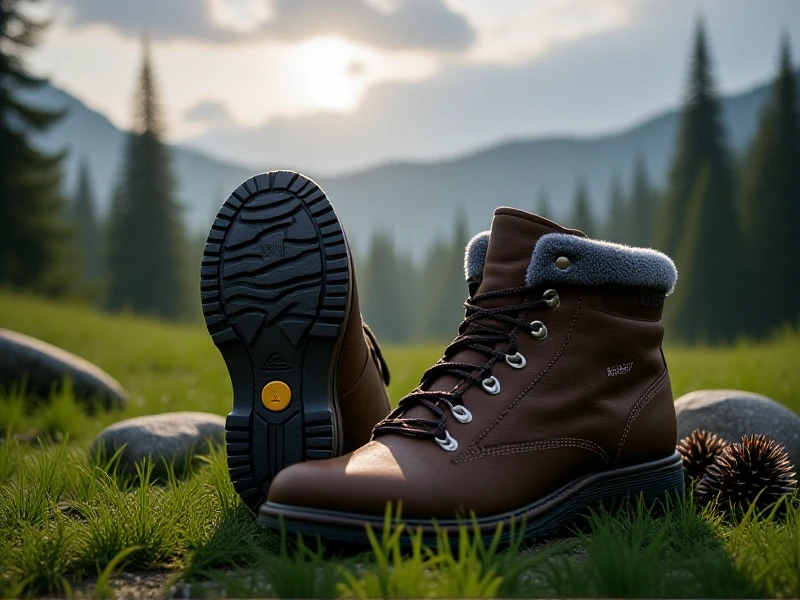
Traction That Grips Terrain: Slippery rocks, muddy paths, or loose gravel – trails test your footing. Top-tier hiking boots boast aggressive, multi-directional lug patterns on high-traction rubber outsoles (like Vibram®). This provides a secure grip on varied surfaces, significantly reducing the risk of slips and falls, especially on descents or unpredictable terrain.
Ankle Support and Stability: Uneven ground puts constant strain on your ankles. Well-designed hiking boots offer crucial lateral support, preventing painful twists or sprains. Look for boots with sturdy midsoles and structured uppers that cradle your ankle. Higher-cut models (mid or high-rise) generally provide the most support for rough trails or carrying heavy loads.
Protection from the Elements: Wet feet quickly ruin a hike. Modern hiking boots feature waterproof, breathable membranes (like Gore-Tex® or proprietary equivalents). This technology creates a barrier against rain, streams, and mud while allowing sweat vapor to escape, keeping your feet drier and more comfortable for extended periods. The durable upper material also shields your feet from abrasions, rocks, and trail debris.
Comfort for the Long Haul: Blisters are the enemy. The best hiking boots prioritize comfort right out of the box. They feature cushioned midsoles (EVA or PU foam) for absorbing impact, padded collars and tongues to prevent pressure points, and well-designed insoles for arch support. Breathable linings help manage moisture and temperature, while durable D-rings or speed laces provide a customizable, secure fit.
Finding Your Perfect Fit: When choosing a pair of hiking boots, consider your typical trails, distance, and pack weight. Light trail shoes suit well-maintained paths, while burlier boots excel off-track. Ensure a proper fit: your heel should be locked in, with ample toe room when descending steep sections. Wear the socks you plan to hike in during fitting. Always prioritize protection against rugged terrain and unstable ground, which truly define the purpose of dedicated hiking footwear.
Quality hiking boots are an investment in your safety and enjoyment on the trail. Don't underestimate their role in protecting your feet from injury, providing critical stability, and keeping you dry. By focusing on key features like traction, support, waterproofing, and all-day comfort, you'll find the perfect hiking boots to power countless memorable adventures.