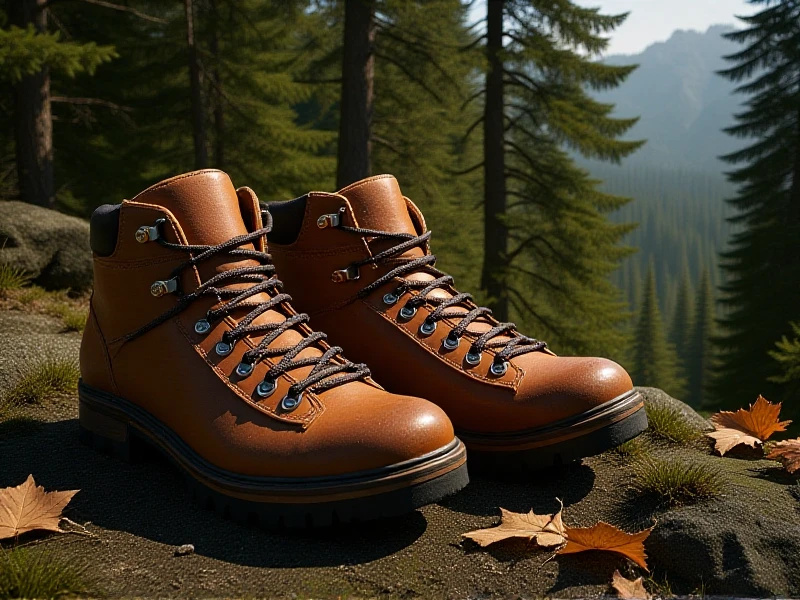
Choosing the Right Hiking Boots: Your Ultimate Trailside Companion
Sure, here's an SEO-optimized article focused on "Hiking Boots", crafted for a website, incorporating the requested elements:
Hitting the trails soon? Your journey starts from the ground up, literally. Selecting the perfect pair of hiking boots is arguably the most crucial gear decision you'll make. Forget trendy sneakers or flimsy shoes that might be fine for a city stroll; tackling uneven terrain, slippery rocks, and muddy paths demands dedicated footwear designed for the challenge. The right boots provide support, protection, and comfort, transforming a grueling trudge into an enjoyable adventure.
Trailblazers: Picking Your Match
Not all hiking boots are created equal. Think about your intended use:
- Trail Runners/Light Hiking Shoes: Ideal for well-maintained trails, day hikes with light packs. They prioritize flexibility and weight.
- Mid-Weight Hiking Boots: The workhorse for most backpackers and day hikers. Offering excellent ankle support, durability, and traction for variable terrain. This is the sweet spot for many.
- Backpacking/Heavy Boots: Built for carrying significant loads over rugged, technical terrain or extended multi-day trips. Maximum ankle support, stiffness for stability, and superb protection.
Fit: Where Success or Blister Begins
Buying hiking boots online without trying? Think twice! Fit is paramount and highly personal. Visit a specialty store, get your feet professionally measured (including width), and try on numerous styles in the afternoon when feet swell. Wear the hiking socks you plan to use! There should be room to wiggle toes freely, your heel snug (no slipping!), and no distinct pressure points. Walk around the store, use an incline board if available. Remember, boots need a break-in period – take shorter walks before tackling ambitious trails.
Underfoot Matters: Grip and Gore-Tex (or Not?)
The sole's quality dictates your grip and longevity. Look for deep, multi-directional lugs made of durable rubber (like Vibram) for superior traction on diverse surfaces – mud, rock, loose gravel. Cushioning absorbs shock over long miles.
Regarding waterproofness: A waterproof membrane (like Gore-Tex) keeps feet dry in wet grass, puddles, and light rain, often offering some wind protection. This is essential for damp climates or cooler seasons. However, in hot, dry conditions or strenuous hikes causing heavy sweating, waterproof membranes can become warm and less breathable. Consider lightweight, non-waterproof breathable boots for these scenarios – they dry much faster if submerged.
Investing in Your Trekking Pleasure
Sure, top-tier hiking boots are an investment, but consider this: a quality, well-fitting pair prevents blisters, provides stability to avoid twists and falls, reduces fatigue, and protects your feet from impact and sharp objects. That investment translates directly into comfort, safety, and the pure enjoyment of being outdoors. Choosing lesser footwear risks discomfort that can ruin your trip or, worse, lead to injury.
Take the time, prioritize fit above all else, and match the boot's features to the trails you conquer. The right hiking boots aren't just gear; they're your foundation for countless miles of adventure. Your feet – and your future self summiting that peak – will thank you. Check specific boot specs and reviews for your planned terrain before buying. Happy trails!