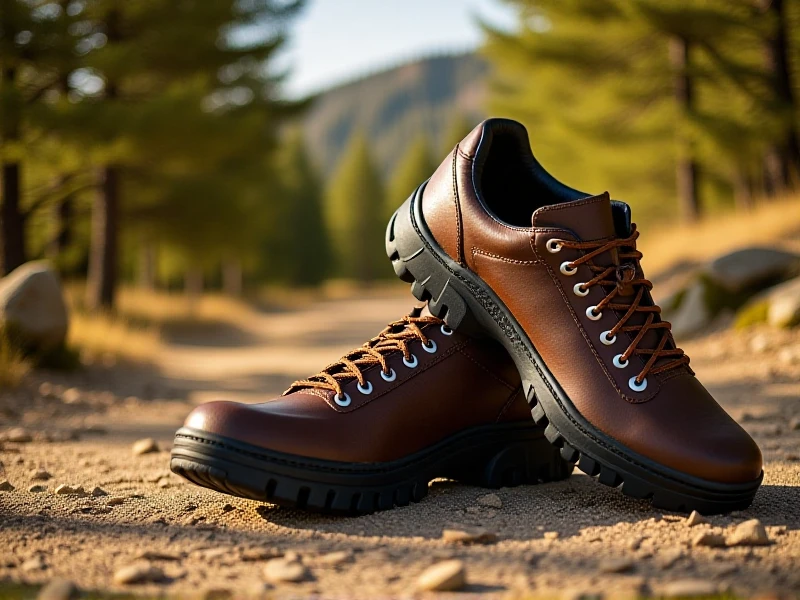
Find Your Perfect Pair: The Ultimate Guide to Choosing Hiking Boots
Hitting the trails demands reliable gear, and nothing is more crucial than your footwear. Worn wrongly hiking boots can turn an adventure into agony. Let's simplify your search for the perfect pair.
Understanding Hiking Boot Types Not all hiking boots are created equal! Your needs dictate the style:
- Light Trail Hikers: Ideal for smooth, well-maintained trails and shorter day hikes. Lighter weight offers agility but less ankle support.
- Mid-Weight Boots: The versatile workhorse for most hikers tackling moderate terrain. Offers excellent ankle support, stability, and durability for day hikes and light backpacking.
- Mountaineering or Backpacking Boots: Heavy-duty protection for challenging terrain, heavy loads, or multi-day backpacking trips. Prioritizes maximum ankle support, stability on rocky uneven ground, and rugged durability.
Key Features to Prioritize When shopping for hiking boots, focus on these essentials:
- Fit is King: This is non-negotiable. Shop in the afternoon when feet are slightly swollen. Wear your intended hiking socks. There should be a thumb's width between your longest toe and the boot end. Heels shouldn't slip, and toes shouldn't jam. Walk aggressively on an incline.
- Support & Stability: Look for a stiff midsole (shank) and high-cut collars that support your ankles on uneven surfaces. The heel counter should be rigid and secure.
- Traction: Deep, multi-directional lugs made of durable rubber (like Vibram) provide essential grip on varied surfaces – dirt, mud, rock, and wet roots. Pay attention to the lug pattern.
- Water Protection: For wet conditions or stream crossings, waterproof (like Gore-Tex) liners are crucial. Breathable waterproof membranes keep feet dry from the outside while allowing sweat vapor out.
- Materials Matter: Full-grain leather offers supreme durability and waterproofness but requires more break-in. Synthetic materials (nylon, mesh) are lighter, often more breathable, require less break-in, but may be less durable. Many boots combine both.
Essential Gear Integration Your hiking boots perform best with purpose-built hiking socks made from Merino wool or synthetics. They wick moisture, reduce friction, offer cushioning, and help prevent blisters. Never wear new boots on a long hike without a proper, gradual break-in period!
Maintenance is Investment Clean boots after each hike. Remove dirt and mud using a brush and damp cloth. Ensure they dry thoroughly away from direct heat. Periodically apply conditioner, especially to leather, to maintain water resistance and flexibility. Worn-down tread? It's time for a resole or replacement to avoid slipping.
Discover Your Adventure-Fueling Fit Finding the right hiking boots is a personal journey. Consider your foot shape, common hiking terrain, and typical pack weight. Brands like Salomon, Merrell, Vasque, Oboz, Lowa, and Keen offer diverse fits. Investing time now means miles of comfortable exploration later. The trails await – are your feet ready? Visit our curated selection to find the ideal hiking boots for your next adventure.